Popular vr machine supplier specialize in manufacturing arcade game simulator for 13+ years- SKYFUN



9D VR vs. Traditional VR
Virtual reality has come a long way, with 9D VR setting a new standard for immersive experiences. Unlike traditional VR, which primarily focuses on sight and sound, 9D VR engages multiple senses, offering a more comprehensive and engaging experience. This article delves into the distinctions between 9D VR and traditional VR, examining their respective advantages and the impact they have on various industries.
Understanding Traditional VR
Traditional VR is a technology that creates a simulated environment, primarily engaging the senses of sight and sound. Users typically wear a headset that immerses them in a 360-degree virtual world, allowing them to explore and interact with digital environments. This technology is widely used in gaming, simulations, and training programs, offering users a sense of presence in a virtual space.
However, traditional VR has its limitations. While it provides visual and auditory immersion, it lacks the ability to engage other senses, which can limit the overall experience. Users may find the technology less convincing when physical sensations are absent, leading to a disconnect between the virtual and real worlds.
What is 9D VR?
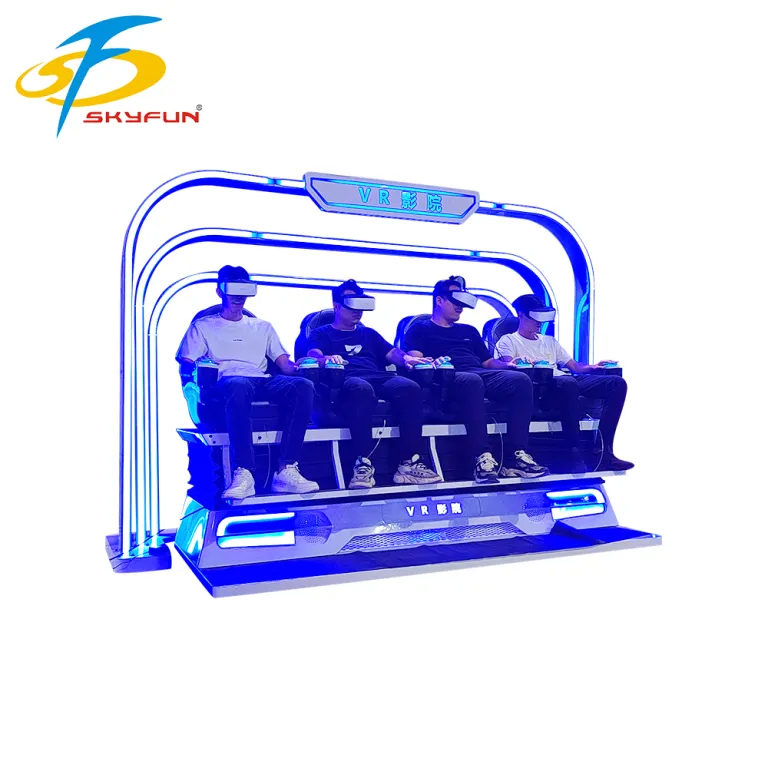
9D VR takes virtual reality to a new level by incorporating additional sensory elements, such as motion, touch, and even smell. This technology uses advanced equipment like motion seats, wind machines, and scent dispensers to create a fully immersive environment. The goal is to engage all senses, making the virtual experience as realistic and interactive as possible.
By enhancing traditional VR with these sensory elements, 9D VR provides a more dynamic and engaging experience. Users can feel the wind on their faces, experience movements, and even detect scents related to the virtual environment, creating a multi-dimensional experience that traditional VR cannot offer.
Key Differences Between 9D VR and Traditional VR
1. Sensory Engagement
Traditional VR primarily engages sight and sound. In contrast, 9D VR includes additional sensory inputs like touch, smell, and motion, creating a more holistic experience.
2. Technological Components
Traditional VR relies on headsets and controllers. 9D VR incorporates motion platforms, haptic feedback devices, and environmental effects to enhance realism.
3. User Interaction
In traditional VR, interaction is often limited to visual and auditory cues. 9D VR offers more interactive elements, allowing users to physically feel and respond to the virtual environment.
Benefits of 9D VR
1. Enhanced Immersive Experiences
By engaging multiple senses, 9D VR provides a more convincing and engaging experience, making it ideal for entertainment and simulations.
2. Applications in Various Industries
Entertainment: 9D VR is revolutionizing theme parks and cinemas, offering visitors thrilling experiences that are more realistic and engaging.
Education: It provides immersive learning environments, enhancing engagement and retention by simulating real-world scenarios.
Healthcare: 9D VR is used for therapy and rehabilitation, offering patients interactive and motivating experiences.
3. Potential for Future Developments
As technology advances, 9D VR is expected to become more accessible and versatile, with potential applications expanding across various fields.
Challenges and Considerations
1. Technical and Logistical Challenges
Implementing 9D VR requires sophisticated equipment and infrastructure, which can be complex and costly to set up and maintain.
2. Cost Implications
The advanced technology and equipment needed for 9D VR can be expensive, limiting its availability to larger organizations or specialized venues.
3. Safety and User Experience Concerns
Ensuring user safety and comfort is crucial, as the intense sensory experiences can be overwhelming for some users.
The Future of VR Technology
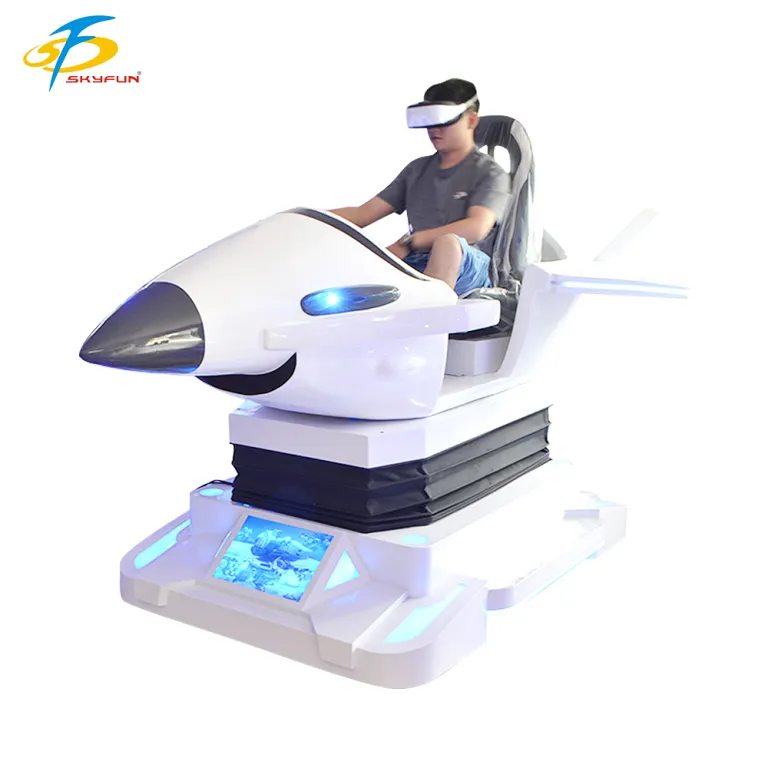
The future of VR technology is promising, with continuous advancements expected in both traditional and 9D VR. Emerging trends include more affordable equipment, improved sensory integration, and broader applications in fields like remote work and social interaction. As technology evolves, 9D VR is likely to become more mainstream, offering even more immersive and interactive experiences.
Conclusion
In conclusion, 9D VR represents a significant advancement in virtual reality technology, offering a more immersive and engaging experience by incorporating multiple sensory elements. While traditional VR remains valuable for its simplicity and accessibility, 9D VR opens new possibilities for entertainment, education, and beyond. As the technology continues to evolve, it holds the potential to transform how we interact with digital environments, making virtual experiences more lifelike and impactful. If you are interested in our 9d VR amusement products, welcome to browse our product page.


Guangzhou Skyfun Technology Co.,Ltd is a producing & marketing management site co- integrated industrial company which specialized in VR Arcade(Game Machine) products.
Feel Free To Contact Us
E-mail: sunnyzhang@skyfungame.com
Telephone: +86 18127818571
WhatsApp: +86 18127818571
Address:15th floor,3# building, Aoyuan, Wanbo 1st Road, Panyu District,Guangzhou
No.9,BangJiang East Village Section, Fuyi Road, Panyu District,,Guangzhou City