


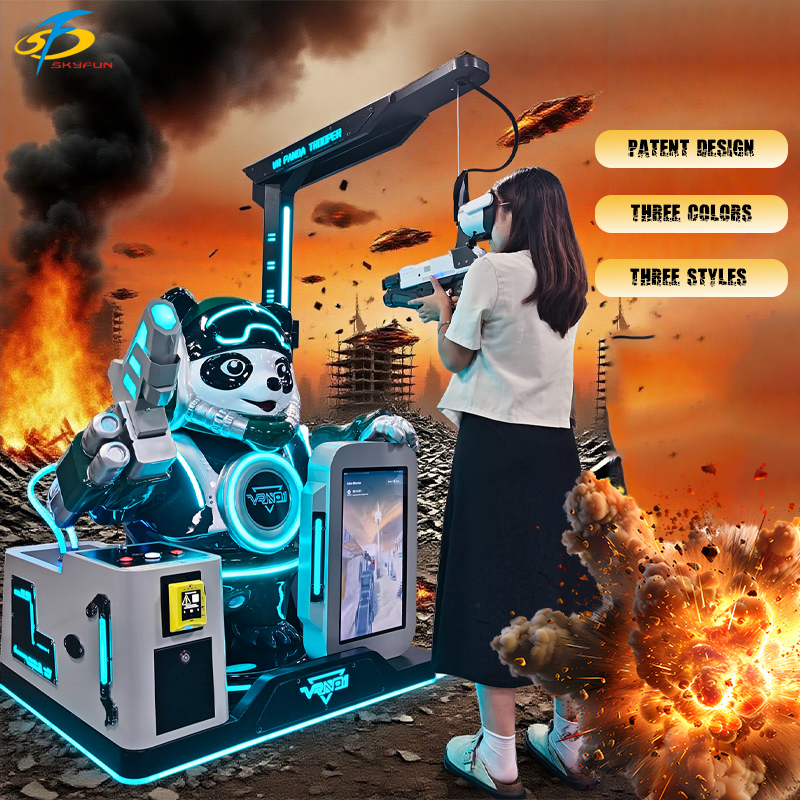
1. Research Background
In recent years, with rising living standards, family spending on children's entertainment has steadily increased. Parents are increasingly focused on providing their children with diverse, high-quality entertainment experiences to promote their physical and mental development. Children's VR arcades, with their educational and entertaining qualities, not only meet children's entertainment needs but also enhance their observation, reflexes, and spatial perception, thus attracting widespread attention from parents. Against this backdrop, in-depth research into the future market share of children's VR arcades is crucial for companies to formulate strategic decisions and seize market opportunities.
2. Market Analysis
1. Current Market Size
According to market research, the children's VR arcade market is experiencing rapid growth. Over the past three years, the market has grown at an average annual rate of 30%, and is projected to reach RMB 5 billion by the end of 2025. In terms of device sales, shipments of children's VR arcade devices are projected to reach 100,000 units in 2024 and 150,000 in 2025.
2. Competitive Landscape
The children's VR arcade market currently features numerous players and fierce competition. The market is primarily divided into three camps:
Traditional arcade manufacturers such as Sega and Namco, leveraging their years of technological expertise and brand influence in the arcade sector, have rapidly entered the market, offering advantages in product stability and rich game content.
Emerging VR technology companies such as Pimax Technology and Dapeng VR specialize in VR technology research and development, with their products demonstrating outstanding hardware performance and immersive experiences.
Cross-border entrants such as large tech companies like Tencent and ByteDance, leveraging their extensive internet resources and content creation capabilities, have significant advantages in building a gaming content ecosystem and promoting it in the market.
Currently, market share is relatively fragmented, with a CR5 (Concentration Ratio of the Top Five Companies) ratio of approximately 35%, indicating that no clear market leader has emerged.
3. Factors Affecting Future Market Share
◦ Technological Development
Hardware Performance Improvements: With the continuous advancement of VR technology, the hardware performance of children's VR arcades will continue to improve. For example, higher-resolution displays will make images clearer and more realistic, reducing visual fatigue; lighter and more comfortable headset designs will improve children's comfort and wear time; and stronger computing power will support more complex and richer game scenes and interactive effects, further enhancing the immersive experience. These hardware performance improvements will attract more children and parents to children's VR arcades, thereby driving market share growth.
Innovations in Interactive Technology: Currently, interactive methods for children's VR arcades primarily include controller manipulation and gesture recognition. In the future, as emerging interactive technologies such as eye tracking and brain-computer interfaces mature and become more widely adopted, children's interactions within virtual environments will become more natural, fluid, and precise. For example, eye tracking technology can automatically adjust the viewing angle based on the child's gaze, while brain-computer interfaces allow for the control of virtual character movements through thought. This innovative interactive experience will greatly enhance children's engagement and enjoyment, providing new growth drivers for the children's VR arcade market.
◦ Consumer Demand
Parents' demand for the integration of education and entertainment: Modern parents are increasingly focused on their children's comprehensive development, hoping that their children can learn and improve their abilities while having fun. Children's VR arcades can meet parents' demand for the integration of education and entertainment by developing educational game content, such as games on history and culture, scientific exploration, and language learning. This allows children to acquire knowledge through immersive gaming experiences. This educational and entertaining approach will help children's VR arcades gain wider recognition and adoption in the home entertainment and children's education markets, thereby increasing their market share.
Children's pursuit of novel experiences: Children are known for their keen curiosity and their pursuit of novelty and excitement. Children's VR arcades, with their constantly evolving game content and unique immersive experiences, continue to capture children's attention and interest. With the increasing richness and diversity of game content on the market, including adventure puzzles, role-playing games, competitive games, and other genres, these games cater to children of all ages and interests, further expanding the user base for children's VR arcades and increasing their market share.
4. Future Market Share Forecast
Taking all the above factors into consideration, the share of children's VR arcades in the children's entertainment market is expected to rise rapidly over the next three to five years. By 2028, the market share is projected to increase from the current 10% to approximately 25%. The market size is expected to continue to grow rapidly, with a compound annual growth rate of 25% to 30%, exceeding RMB 10 billion by 2028. In terms of device sales, shipments of children's VR arcade devices are expected to reach over 300,000 units by 2028.
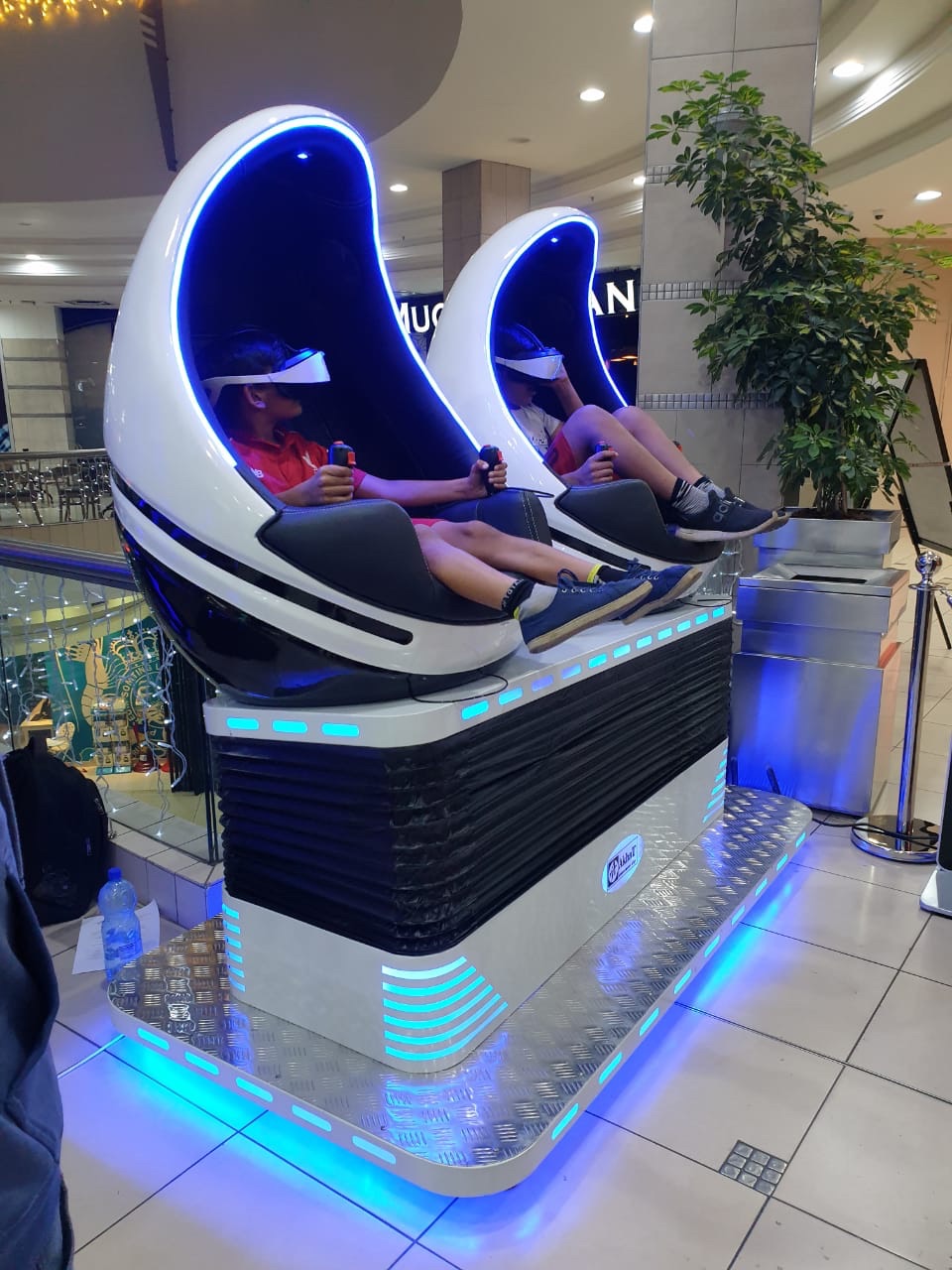
Summary and Suggestions
1. Summary
As an emerging segment in the children's entertainment market, the children's VR arcade market holds enormous growth potential. The current market size is rapidly growing, and the competitive landscape is relatively fragmented. Technological development, consumer demand, and regulatory policies are key factors influencing its future market share. With improvements in hardware performance, innovations in interactive technology, growing parental demand for the integration of education and entertainment, and children's pursuit of novel experiences, coupled with regulatory support, the children's VR arcade market share is expected to increase significantly over the next three to five years.
2. Suggestions
Pay attention to technology trends: Continue to pay attention to the development of VR technology, and give priority to purchasing children'