


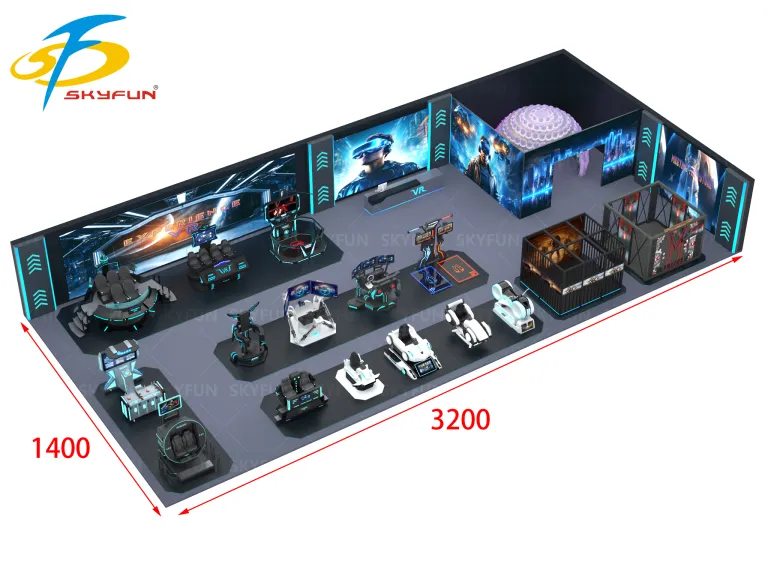
A VR Theme Park is a fun collection of thrilling experiences that combine classic theme park rides with advanced virtual reality technology. From roller coasters and adventure games to interactive attractions, the VR Theme Park allows visitors to immerse themselves in virtual worlds for a more realistic and unforgettable ride. With growing tourist demand for innovative leisure activities, VR theme parks are rapidly emerging as the next frontier of entertainment.
Popular vr machine supplier specialize in manufacturing arcade game simulator for 13+ years- SKYFUN
NEWS
VR Theme Park: Redefining the Future of Immersive Entertainment
2025-09-03
Table of Contents
Why VR Theme Parks Are Growing Worldwide
According to Statista, the global virtual reality market is projected to reach $22 billion by 2025, and location-based VR attractions—including the VR Theme Park—are a major driver of this growth. Tourists are increasingly drawn to immersive experiences, with surveys showing that 65% of millennials prefer spending money on experiences over physical products. This makes the VR theme park model especially appealing to both visitors and investors.
Immersive Attractions Beyond Reality
Unlike traditional amusement parks that rely on large physical rides, a VR Theme Park can create limitless attractions digitally. Visitors can ride a virtual roller coaster, explore ancient ruins, or join fantasy battles—all within one location. PwC research indicates that immersive experiences increase engagement by 35%, giving VR parks a clear competitive edge.
Examples of VR Theme Park Experiences
⭐️ Virtual reality roller coasters with 360° visuals
⭐️ Adventure games set in jungles, castles, or outer space
⭐️ Interactive shooting games with multiplayer features
⭐️ Simulated rides such as flying, skiing, or racing
Capacity and Accessibility
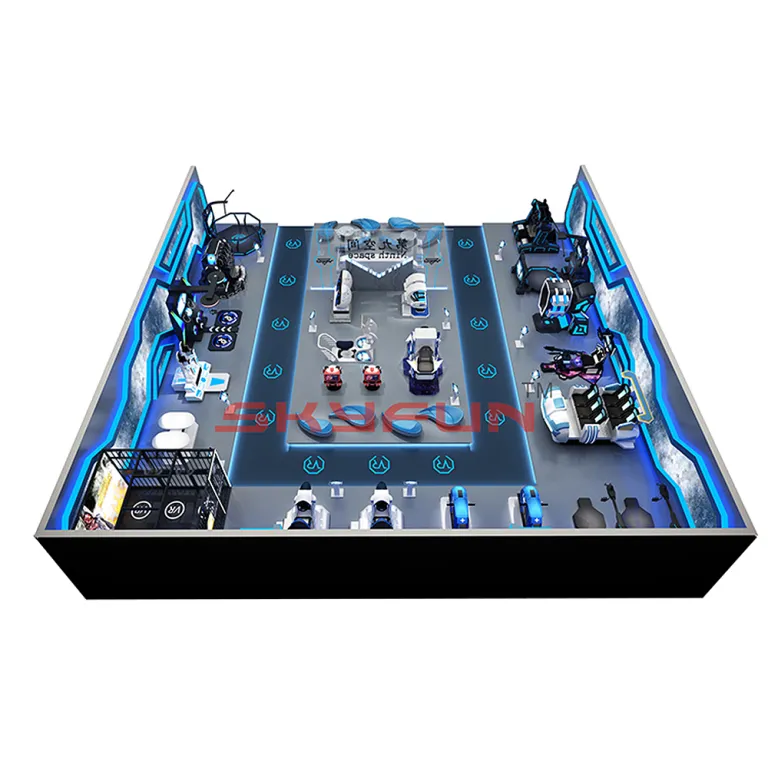
A traditional ride often accommodates only a handful of guests at once. In contrast, a VR Theme Park can entertain dozens simultaneously. For example, Skyfun’s VR Theme Park can host up to 60 players at the same time, maximizing throughput and revenue potential while reducing wait times.
Business Opportunities with VR Theme Parks
The global theme park industry attracts over 500 million visitors annually, according to IAAPA (International Association of Amusement Parks and Attractions). By integrating a VR Theme Park into their offerings, operators can capture this audience with lower setup costs than traditional mega-rides. Digital attractions also allow fast content updates, giving repeat visitors fresh experiences.
Revenue Potential for Operators
Location-based VR, including VR Theme Parks, is expected to surpass $12 billion by 2026 (Allied Market Research). With ticketed entry, hourly sessions, and group packages, operators can achieve strong returns while providing customers with innovative entertainment options. The ability to refresh virtual content at low cost ensures ongoing customer engagement.
Advantages Over Traditional Parks
👌🏻 Lower construction and maintenance costs
👌🏻 Scalable attraction lineup updated digitally
👌🏻 24/7 automated operations with less staffing
👌🏻 Appeal to tech-savvy and younger demographics
Skyfun: Your Trusted Partner in VR Theme Park Solutions
Skyfun offers a full range of advanced VR Theme Park equipment, featuring roller coasters, racing simulators, adventure games, and multiplayer attractions. Our VR parks support up to 60 players at once, combining thrilling rides with realistic immersion. Skyfun provides one-stop professional service—from equipment installation to operational training—ensuring operators succeed in this growing market.
🌐 Explore our VR Theme Park products:
🌐 Website: www.skyfunvr.com
📱 WhatsApp: +86 181 4485 8588
Conclusion
The VR Theme Park is more than just a trend—it represents the evolution of theme park entertainment. With strong market growth, immersive technology, and proven visitor demand, VR parks are positioned for long-term success. By partnering with Skyfun, operators gain access to innovative equipment, expert support, and scalable solutions that deliver unforgettable experiences for visitors worldwide.
ReviewsNumber of comments: {{ page.total }}
I want to comment?
{{item.nickname ? (item.nickname.slice(0, 2) + '*****') : item.source === 1 ? 'mall buyer' : '--'}}
{{item.comment_time}}
Review in the {{item.country}}
Reviews
Merchant
{{replyItem.nickname ? (replyItem.nickname.slice(0, 2) + '*****') : replyItem.source === 1 ? 'mall buyer' : '--'}}
{{replyItem.parent_nickname ? (replyItem.parent_nickname.slice(0, 2) + '*****') : '--'}}
{{replyItem.is_merchant_reply === 1 ? replyItem.reply_time : replyItem.comment_time}}
Review in the {{replyItem.country}}
Reviews

No customer reviews
recommended for you
Get in touch with us
Guangzhou Skyfun Technology Co.,Ltd is a producing & marketing management site co- integrated industrial company which specialized in VR Arcade(Game Machine) products.
Feel Free To Contact Us
E-mail: sunnyzhang@skyfungame.com
Telephone: +86 18127818571
WhatsApp: +86 18127818571
Address:No. 4 Changfa Street, Xinshuikeng, Dalong Sub‑district, Panyu District, Guangzhou City, Guangdong Province, China